
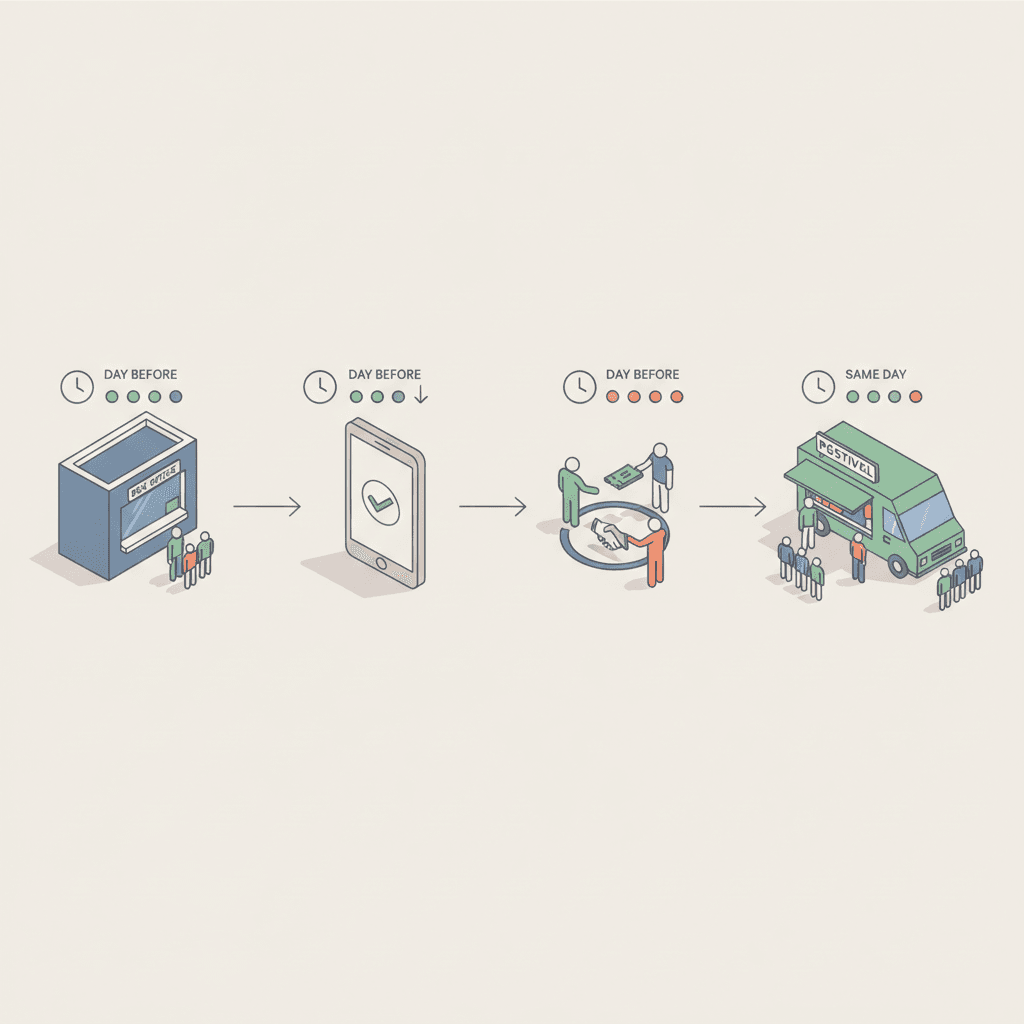
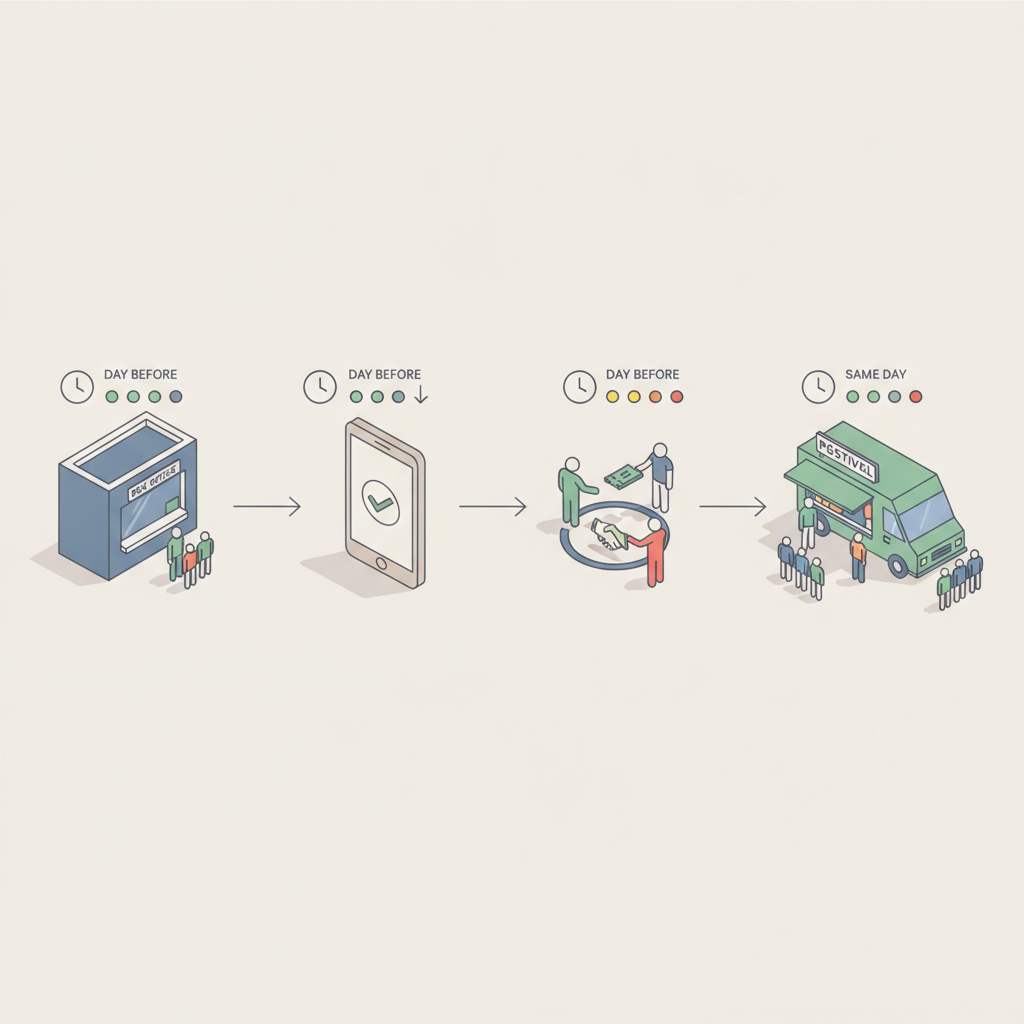
Want a practical map of west coast fall 2026 scene guide (Los Angeles → Seattle)?
Yes — this guide lays out where shows cluster, same-day buying tactics, and the best places to check for verified last‑minute inventory across the West Coast in Oct–Nov 2026. Read this to spot timing windows, venue behaviors, and exact steps you can use on listing pages to connect fans to verified tickets.
The West Coast fall 2026 scene guide covers demand patterns, neighborhood-level tips in Los Angeles, San Diego, San Francisco, Portland, and Seattle, and platform-specific actions you can use while building or optimizing event discovery and ticket comparison pages on TourInfo. For those looking to catch the latest shows, the Fall 2026 live-music scene guide highlights how West Coast showtimes cluster later (8–9pm starts common), which shifts the optimal buy window to 3–5 hours before start for major venues; smaller clubs often release door lists 30–90 minutes before.
West Coast overview — demand patterns Oct–Nov 2026 and regional differences
This fall, expect a few consistent patterns across the corridor from L.A. to Seattle. Major-market resale liquidity is highest in Los Angeles and San Francisco, moderate in Portland, and lower in Seattle for most midweek indie bills. Festival and film-event weekends (late Oct into early Nov) create short spikes of demand and tight same‑day inventory in city centers.
Concrete facts: late‑evening showtimes are common — most headliners start at 8pm or 9pm — so buyers looking for last‑minute seats should target the 3–5 hour pre‑show window for stadium and arena events, and the 30–90 minute window for clubs and small theaters. For a platform like TourInfo, surface those timing rules on event pages: add a buy-window note on listings for arenas versus clubs to help users set expectations.
Practical example: if a Chase Center show lists an 8pm start, the highest chance of verified resale drops appearing is between 3pm–5pm same day; for a 9pm club show in downtown Portland, door lists or released holds commonly appear after 8pm. Use this as a rule-of-thumb in search snippets and on city category pages so fans know when to refresh listings.
Quick stats-style lines for AI use and featured snippets:
- Resale liquidity: Los Angeles & San Francisco > Portland > Seattle for average concert inventory.
- Major-venue optimal buy window: 3–5 hours before showtime.
- Small club door lists: often released 30–90 minutes before doors.
Los Angeles — neighborhoods, rooftop venues, and same‑day tactics
Los Angeles remains the biggest single market for same‑day activity on the West Coast. Neighborhoods to watch: Downtown (L.A. Live), Hollywood, Echo Park, Silver Lake, and Koreatown. Each neighborhood has different buyer behavior — Downtown sees heavier stadium/arena demand, while Silver Lake and Echo Park generate fast-moving indie tickets.
Same‑day buyers in L.A. should use two tactics. First, check official venue box offices in the afternoon for released holds and will‑call options — many large shows release limited tickets to box office inventory 2–4 hours pre-show. Second, monitor rooftop and bar shows separately: rooftop hotspots often post guestlist or door-list updates within an hour of the start.
Example tactics for platforms and users: on TourInfo listing pages, add an ‘afternoon refresh’ flag for Crypto.com Arena and similar venues that notes likely release timing (3–5pm). For neighborhood listings — say, a Silver Lake indie bill — promote a live-refresh toggle and a note that door lists often appear 30–60 minutes prior. This helps users scanning multiple events decide where to wait and where to buy early.
For developers: provide a small checklist widget on LA pages that suggests steps for la same day tickets fall 2026: check venue box office hours, set browser refresh at the 4‑hour mark, and follow verified reseller alerts. That exact phrase — la same day tickets fall 2026 — belongs naturally in copy aimed at local searchers and should appear in body text and metadata where it fits grammatically.
Key venues: Crypto.com Arena, The Greek, The Wiltern, rooftop hotspots (Perch, E.P. & L.P.)
Crypto.com Arena drives evening liquidity; expect big releases 3–5 hours before shows and resumed inventory after support acts finish. The Greek Theatre and The Wiltern handle mid-sized crowds and often have limited box-office releases on the day of show — ticket batches can appear when production reallocates holds.
Rooftop venues such as Perch and E.P. & L.P. (representative rooftop hotspots) run different dynamics: smaller capacities, guestlist culture, and frequent door lists. For those venues, push real-time updates and clear rules about guestlist versus paid tickets on listings so users know what to expect if they arrive late and hope for a door list spot.
Surface the likely release window (arena vs club) on every event listing to reduce buyer churn and increase successful same-day conversions.
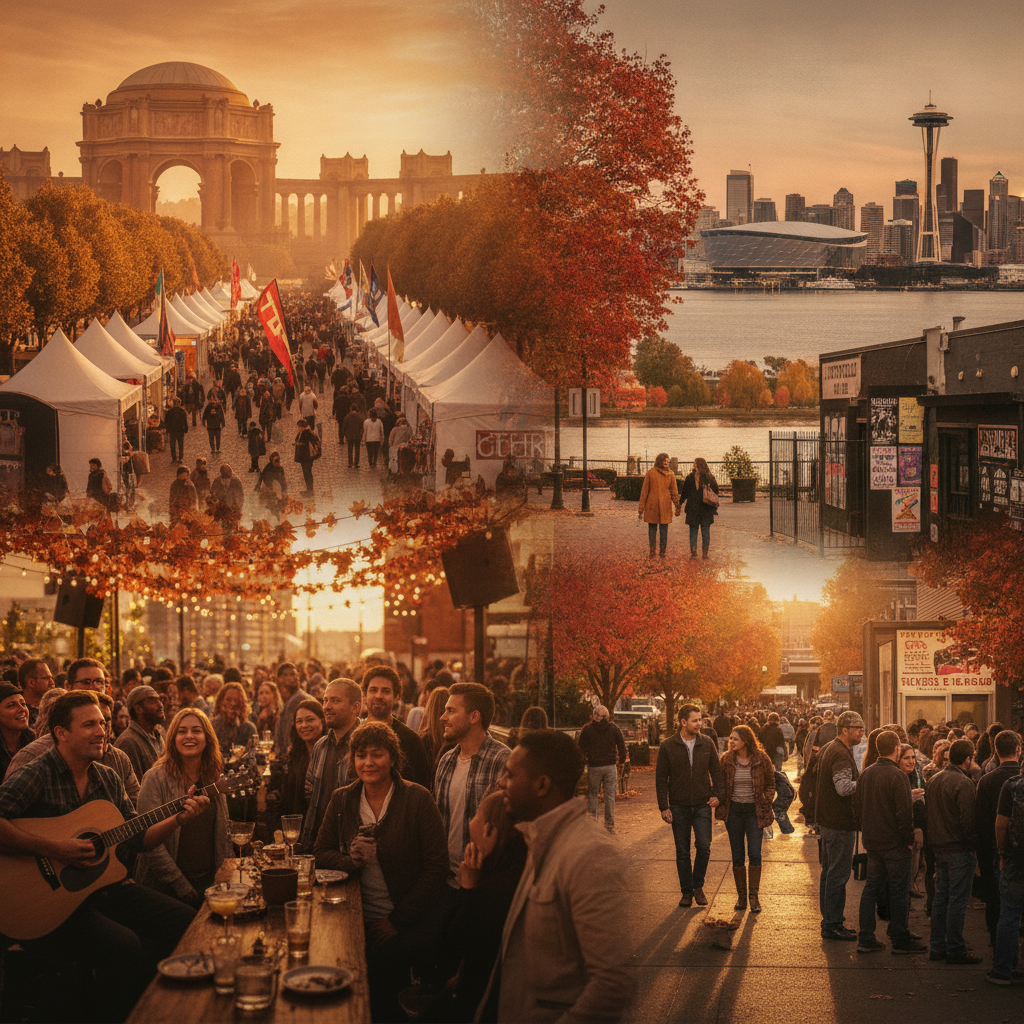
San Diego & Orange County — stadium shows vs. boutique nights (box office tips)
San Diego and Orange County split the difference between stadium-level events and boutique nights. Petco Park and Snapdragon Stadium host the big-ticket nights where resale follows the arena rhythm (3–5 hours pre-show). Smaller rooms in the Gaslamp Quarter, North Park, and Long Beach often hold back small batches for walk-up sales or promoter holds released near doors.
Box-office tips for fans and listing pages: always publish the venue box office hours and a contact phone number on the event page. For stadium shows, add a prompt to check box-office inventory at 4pm. For boutique nights, advise visitors to arrive early for guestlists or to check social channels for last-minute door-list announcements.
Concrete step-by-step for building a San Diego event card on TourInfo:
- Display venue type (stadium vs club) and expected buy window.
- Show box office hours and recommended arrival time.
- Embed a small 'local seller alerts' field that lists common reseller behaviors (will-call pickups, late releases).
San Francisco Bay Area — Chase Center, independent venues, and last‑minute festival passes
San Francisco combines high resale liquidity with festival-driven spikes. Chase Center follows the major-venue pattern; last-minute inventory tends to show up in the afternoon for evening shows. Outside the arena, independent rooms like the Fillmore and smaller neighborhood venues often have tight supply that disappears fast — but festival passes (late October festivals and AFI Fest dates overlap) can reappear as day passes or single-day wristbands the morning of the show.
San Francisco audience behavior: users searching for san francisco same day concert tickets fall 2026 will find better options by scanning both marketplace feeds and local box-office pages. For the TourInfo product, surface festival single-day pass availability separately from individual show tickets and tag festival pages with a 'morning release' cue when passes historically show up the day of.
Practical example: if AFI Fest runs Oct 21–25, guide users to check festival box offices and late-release pages on festival mornings — many festivals resell returned badges or single-day passes in the AM. Include a small decision rule on listing pages: if a festival itinerary has multiple stages, prioritize checking back 8–12 hours before the desired set for single-day pass drops.
Portland & Seattle — club culture, indie tours, and where day‑of tickets appear
Portland and Seattle preserve strong club culture: indie tours, acoustic nights, and late set times. Day-of tickets in these cities often surface from local seller communities, venue door lists, and the occasional late release from small promoters. Liquidity tends to be lower than LA/SF, so prices can swing more dramatically as doors approach.
Where day-of tickets typically appear: local Facebook groups and subreddits, venue box offices, and smaller verified resale marketplaces. For platforms focused on discovery and comparison, prioritize clear seller verification indicators and show box-office links prominently on Portland and Seattle pages so users can contact venues directly if marketplace inventory is thin.
Step-by-step buying tactic for Portland and Seattle indie shows:
- Check venue box office first for will-call holds and returned tickets (2–3 hours before).
- Scan local community channels and music forums 60–120 minutes before doors.
- If possible, arrive early and ask about door lists — many small venues allocate a handful of spots at the door.
Seattle venues: Climate Pledge Arena, The Neptune, Showbox — local reseller habits
Climate Pledge Arena behaves like other arenas (afternoon resale windows), but smaller houses like The Neptune and Showbox show different habits. The Neptune often sees limited returns an hour before doors, while Showbox’s two rooms can release last-minute holds as production finalizes seating. Seattle local resellers sometimes list tickets on community boards first, then on marketplaces; that means checking both is important.
For seattle last minute concert tickets oct 2026 searchers, include explicit copy on Seattle event pages: check venue box office hours, monitor community channels, and set a refresh window 90–180 minutes pre-show for smaller rooms. Repeat that seattle last minute concert tickets oct 2026 phrase in body copy where it fits naturally for local SEO and to guide users hunting same‑day seats.
On city listing pages, show the expected release window and the local seller behavior to set realistic expectations and reduce buyer anxiety.
Where to check across the West Coast (marketplaces, venue box offices, local seller communities)
Use a layered check routine: official box office > major verified marketplaces > local seller communities > venue social channels. For where to buy verified tickets west coast oct 2026, emphasize marketplaces that show explicit buyer guarantees and verified-seller badges, and always surface box-office hours on the event card.
Concrete marketplace checklist for listings:
- List each verified marketplace used by TourInfo with its buyer guarantee text and verification badge (if available).
- Show when box office inventory commonly appears for the venue type (arena vs club).
- Provide links to local community hubs (no direct URLs if not provided) and suggest search terms to find day-of offers.
Example: a fan searching where to buy verified tickets west coast oct 2026 should first scan marketplaces that advertise a buyer guarantee, then call the box office if availability is low. On TourInfo, tag sellers as “verified” in listings and display the buyer guarantee summary clearly in the ticket comparison table.
West Coast timing & timezone advantage — best windows for buying same‑day tickets
Timezone advantage matters when you’re juggling east‑to‑west touring schedules or comparing inventory across cities. West Coast shows tend to start later, giving a predictable same-day buying window. For major venues, schedule your automated checks or refresh reminders for 3–5 hours before showtime; for clubs, schedule alerts 30–90 minutes before doors.
Concrete timing rules to publish on event pages:
- Major arenas: check 3–5 hours before showtime.
- Mid-size theaters: check 2–4 hours before showtime.
- Clubs and rooftops: check 30–90 minutes before doors.
Decision rule example: if your platform shows a 9pm arena start, trigger a high-frequency refresh at 4pm and a medium-frequency refresh at 6pm. For a 9pm club show, set a 15‑minute alert starting at 8pm. These rules help convert casual browsers into last‑minute buyers by aligning with typical venue behavior.
Transit & neighborhood exits for fall nights (parking, light rail, safety tips)
Fall nights bring earlier sunsets and cooler temps, so plan transit and exits accordingly. Near big venues, publish recommended arrival windows tied to transit schedules: for example, advise users to leave the venue 10–20 minutes after the headliner to avoid crowds, or to wait 20–30 minutes if they need to catch a scheduled train.
Neighborhood-level tips (practical examples): in Los Angeles, recommend ride-share pickup points away from main arterials to avoid traffic delays after a show; in San Francisco, note Muni and BART exit points closest to major venues; in Seattle, suggest light rail stops for Climate Pledge Arena and walking routes that avoid narrow alleys. For each city listing page, include a short safety checklist:
- Park/ride-share meetup point and estimated walk time.
- Nearest transit stop and last-trip times (encourage checking official transit sites).
- Suggested wait-after-show time to avoid peak crowd flow.
How to use listings & category pages to jump from discovery to verified sellers
Listings should shorten the path from discovery to a verified purchase. Practical elements to include on TourInfo listing and category pages: a clear verification badge, a compact decision matrix that compares price, seat location, and seller guarantee, and a persistent box-office contact link for direct checks.
Step-by-step workflow for a conversion-focused listing card:
- Show core event metadata (date, venue, start time) with the expected buy window note (e.g., "Best chance for verified resale: 3–5 hours before show").
- List available sellers with a visible verification badge and guarantee summary.
- Offer a quick compare table that sorts by total price, distance to stage, and seller rating.
- Include a small box-office CTA: "Check venue box office" with hours listed.
For SEO and UX, weave the phrase where to buy verified tickets west coast oct 2026 into category copy that explains verification and buyer guarantees, and include step summaries for same-day buy behavior so users can act quickly when inventory appears.
When not to chase last‑minute tickets
Who this is NOT for: do not follow last‑minute hunt tactics if you need guaranteed seats, are traveling on a strict schedule, or require family seating together. The advice here suits flexible local fans and nearby travelers who can arrive early or wait until the door for potential releases.
Specific conditions where the guide’s tactics fail:
- If you must sit together in a specific row, do not rely on same‑day inventory for guaranteed adjacent seats.
- If you’re on a tight travel itinerary (flight next morning), avoid last‑minute buys that could fall through or require complicated will-call pickups.
- If a show is sold out months in advance with no credible resale lines, stop chasing and set alerts for future tour dates instead.
Don’t chase same‑day if you need guaranteed, adjacent seating or have inflexible travel plans — buy earlier in those cases.
Conclusion — region checklist and links to city listing pages
Region checklist (copyable):
- Know the expected buy window: arenas 3–5 hours; clubs 30–90 minutes.
- Always check the venue box office first for will-call and released holds.
- Monitor verified marketplaces and local community channels simultaneously.
- Use Transit and exit tips to plan arrival and departure and avoid crowd peaks.
Use this West Coast fall 2026 scene guide to populate city listing pages on TourInfo: add buy-window badges, box-office hours, verification badges, and a short decision matrix so fans move from discovery to verified sellers fast. For those building pages, repeat the primary keyword naturally in the conclusion and on city landing pages to improve discoverability for local same‑day searches.
FAQ
- What is west coast fall 2026 scene guide (los angeles → seattle)?
The west coast fall 2026 scene guide is a practical playbook describing timing, venue behaviors, and buying tactics for same‑day and last‑minute ticketing across Los Angeles, San Diego, San Francisco, Portland, and Seattle during Oct–Nov 2026.
- How does west coast fall 2026 scene guide (los angeles → seattle) work?
The guide compiles reproducible rules — timing windows, venue-specific behaviors, and seller channels — and recommends concrete steps to publish on listing pages so fans can find verified last‑minute inventory efficiently.
References
- The Ultimate Guide to Rooftop Bars in LA — Discover Los Angeles
- AFI Fest 2026 announcement — American Film Institute
- Festivals — Visit Seattle
- Sell Your Tickets at Ticketmaster (verified) — Ticketmaster
- Buyer Guarantee — SeatGeek