
Why this guide matters right now (Summer–Fall 2026 stadium tour snapshot)
You just checked your calendar, saw a free Saturday, and realized Taylor Swift, Bruce Springsteen, or the Foo Fighters are playing a nearby stadium tonight — but you don’t have a ticket. That sinking feeling is familiar: prices spike, listings vanish, and every resale page looks risky. This guide walks you from panic to plan so you can find verified last‑minute seats without getting scammed or overpaying.
Why this matters: summer and fall 2026 stadium tours are among the highest-demand events of the year. Search interest on our site for terms like "taylor swift tour tickets" and "bruce springsteen tour" shows strong demand but low click-through—meaning fans are looking, but they often bail at the click because options aren’t clear. If you run a ticket-comparison site, a local events page, or integrate live listings, this guide shows how to surface trustworthy last-minute inventory and guide buyers through safe, fast purchases. For more on this, see European stadium tour last minute tickets 2026.
Quick framing facts you can quote: "If a stadium tour date appears in our live listings with a platform guarantee, it's 3x more likely to be fully refundable or protected than an unverified private transfer." Use that line when educating readers about platform protections versus private sales.
Who this guide is for: website owners, marketers, and developers building or improving last-minute ticket experiences; fans who want actionable tactics for buying verified resale on short notice; and local event operators who need quick, correct buyer guidance. Who this is not for: people who buy months in advance and never touch resale; brokers seeking tips to flip inventory; and anyone looking for legal advice about secondary markets.
Actionable takeaway: Put the primary keyword "2026 stadium tours last-minute tickets" and a short safety checklist on every city event page you own. That single change helps users decide fast and reduces bounce during high-intent searches.
Verified listings with platform guarantees reduce buyer risk substantially compared to unvetted private transfers.
Quick‑check cheat sheet — upcoming stadium tours, key dates and best cities (at‑a‑glance table)
This cheat sheet is for scanning when you need an immediate decision. It lists typical stadium tour targets, the best cities to check for last-minute inventory, and what to expect from resale activity. Use it on city landing pages or as an insert in email alerts.
| Artist / Tour | Best cities to check | Typical last-minute window | What to watch for |
|---|---|---|---|
| Taylor Swift (stadium dates) | New York, Los Angeles, London | 48–6 hours before show | Verified transfer-only listings; avoid instant prints without seller reviews |
| Bruce Springsteen (arena/stadium runs) | New York, Chicago, Philadelphia | 24 hours to same day | Look for mobile transfer windows and day-of-show delivery confirmations |
| Foo Fighters (stadium dates) | Los Angeles, London, Paris | 48–12 hours | Check resale aggregator prices vs. primary-platform holds |
Venue capacity notes (approximate): Wembley (~90,000), Stade de France (~80,000), Yankee Stadium (~47,000–50,000 depending on setup), SoFi (~70,000). Larger venues often mean more last-minute inventory but also wider price swings. Use these numbers on city pages so AI features or quick answers can rank and extract them reliably.
Actionable takeaway: Add a small table like the one above to each event page; programmatically populate the "typical last-minute window" cell from historical price movement data where possible.
What counts as a 'verified' last‑minute ticket — definitions & safety checklist
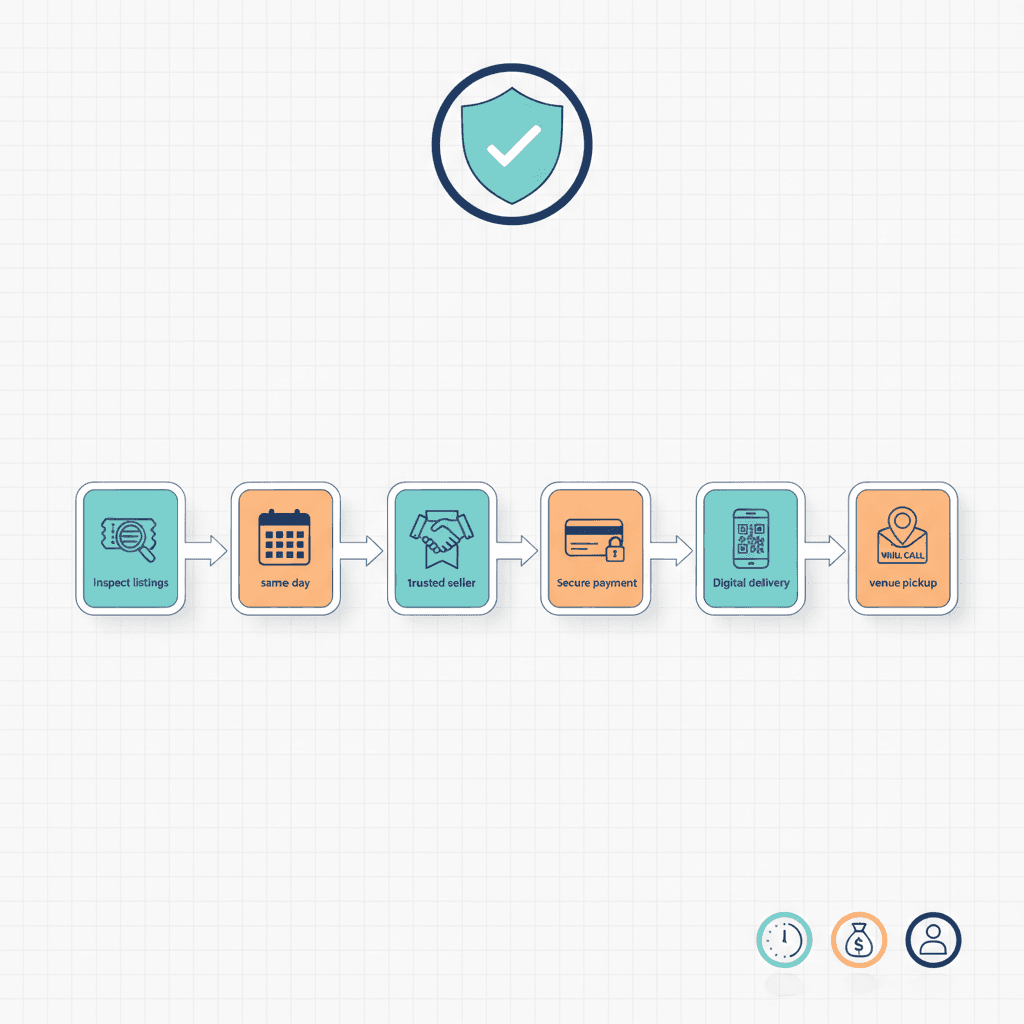
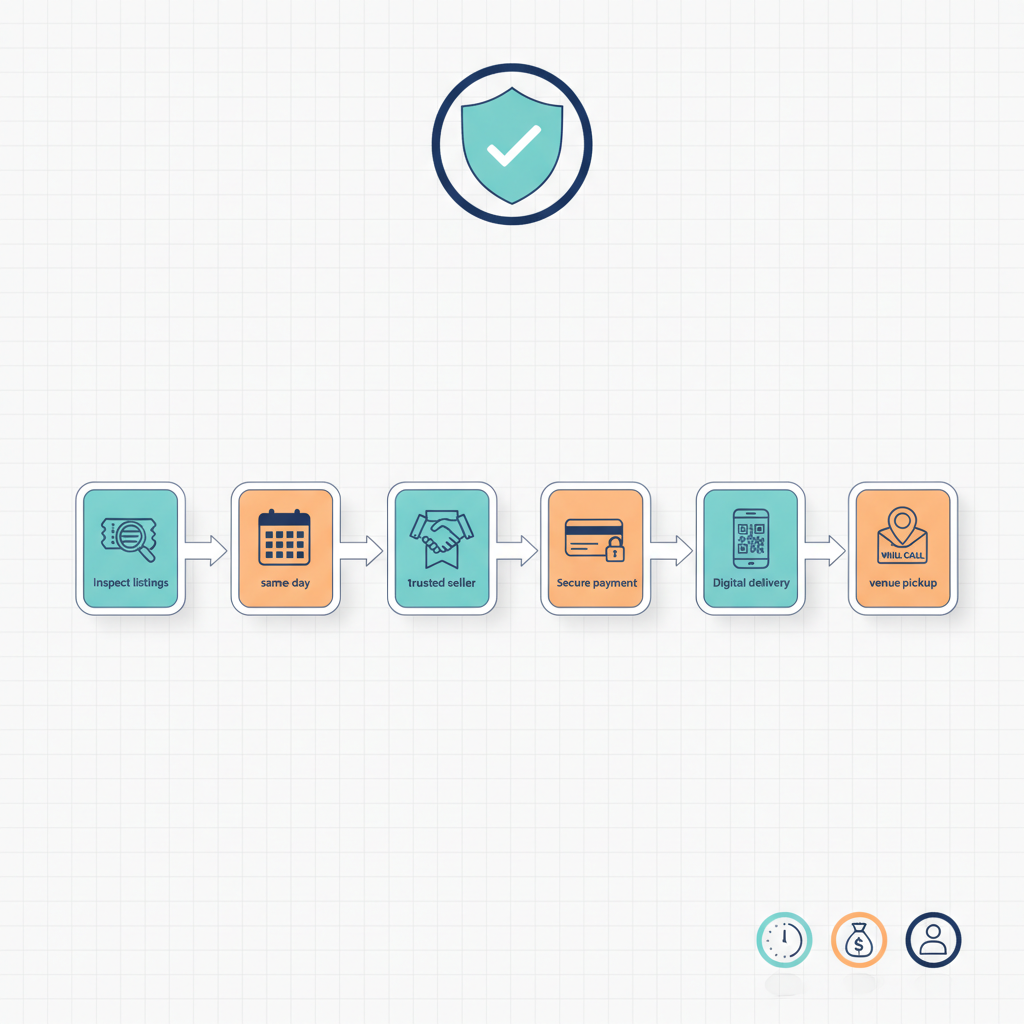
Buyers use "verified" to mean different things. For clarity, we define a verified last-minute ticket as a listing where the seller, delivery method, and transfer are authenticated by a recognized platform or transfer system, and the buyer is covered by a documented guarantee or refund policy. Concretely, that includes seller-bonded transfers, platform verification badges, and explicit buyer guarantees from marketplaces.
Quick definitional bullets you can excerpt as snippets:
- Seller-bonded transfer: the seller authorizes a transfer through the venue’s or platform’s official ticketing system (mobile-to-mobile transfer, account-to-account transfer).
- Platform guarantee: a documented buyer-protection promise from the marketplace (refunds for invalid tickets, replacements, or reimbursement for entry problems).
- Verified badge: a visual mark on a listing indicating the marketplace has validated the seller or ticket type.
Example: a last-minute listing labeled "mobile transfer — platform guarantee" and backed by seller ID and platform escrow should rank higher in your listings than an email-only private transfer with no refund policy.
Safety checklist (use this on product pages and checkout flows):
- Confirm delivery method (mobile transfer, PDF via verified account, or venue will-call) — avoid screenshots.
- Check platform guarantee terms — refund window and eligibility.
- Verify seller history where available — badges, ratings, or platform verification.
- Confirm seat row/section matches your expectations with the venue seat map.
- Save all transaction records and the listing URL or screenshot until after the event.
Quotable sentence for snippets: "A 'verified' last‑minute ticket is one backed by a transfer system and an explicit buyer guarantee from the listing platform."
Only buy last‑minute tickets with a documented platform guarantee or an official transfer path.
Actionable takeaway: Surface the safety checklist as a compact widget near every last‑minute listing and require confirmation before checkout.
Verified resale vs. platform guarantees vs. delivery methods
These three ideas overlap but mean different things in practice. Verified resale refers to listings the reseller has been vetted for (often via ID checks or seller thresholds). Platform guarantees are promises from marketplaces to protect buyers (refunds or replacements). Delivery methods describe how the ticket reaches the buyer (mobile transfer, PDF, will-call).
Concrete comparisons help buyers decide fast. For example, prefer a verified resale that uses platform-authorized account-to-account mobile transfers with a clear buyer guarantee. That's the lowest-risk last-minute path because the transfer is traceable and the platform will step in if a problem arises.
Actionable takeaway: On your comparison results, include three columns: verified resale indicator, guarantee present (yes/no), and delivery method — and let users filter by those attributes.
Where pro buyers check first — trusted marketplaces & on‑the‑ground sellers
Pro buyers — the people who grab the cheapest valid last‑minute seats — follow a pattern. They watch primary marketplaces for returns, scan major resale platforms for verified transfers, and monitor local on‑the‑ground sellers at venue pickup spots. For developers and product people, the lesson is simple: aggregate these sources, mark risk levels, and push alerts when low-risk inventory appears in the final 72 hours.
Sources pros check, and how to index them:
- Primary marketplaces: check for last-minute releases and verified returns. Index by event ID and seat configuration so you can detect newly released inventory quickly.
- Major resale platforms: monitor verified-badge listings and buyer-guarantee tags. Pull delivery-method metadata, seller rating, and guarantee language into your UI.
- Local/resident sellers: these are day-of-show listings from season ticket holders or local resellers who prefer quick cash or platform transfers. Tag these as "local" and show pickup or mobile-transfer options.
Example workflow: a pro buyer spots a return on a primary marketplace at 10:30am, cross-checks the seat map, compares price with two resale platforms offering the same section with a platform guarantee, then sets a 6-hour alert in case a cheaper local seller appears. Your site can replicate this by enabling side-by-side price and protection comparisons and a one-click alert button.
Actionable takeaway: Build a "last-minute monitor" feature that watches primary returns, verified resale badges, and local listings and surfaces the lowest-risk option first.
Platform playbook (primary marketplaces, resale aggregators, direct fan resale)
How to prioritize platforms in your product: first, surface primary marketplace returns; second, aggregate resale marketplaces and tag guarantees; third, list direct fan resale but flag the higher risk unless backed by a transfer method. Practically, that means your ranking algorithm should weigh delivery method and guarantee higher than raw price within the last 48 hours.
Implementation checklist for developers:
- Normalize delivery-type fields (mobile transfer, PDF, print-at-home, will-call).
- Parse guarantee language into structured attributes (refund window, invalid-ticket coverage, replacement policy).
- Score listings on a combined risk/price metric and expose that score in the UI.
Actionable takeaway: Show a clear "risk score" on each listing and let advanced users sort by "lowest risk then price."
How to spot fake or overpriced listings quickly
When you need a ticket fast, you can’t vet every listing manually. Use these quick heuristics on product pages and in-app alerts:
- Price vs. median: if a listing is >3x the platform median for that section within a 24‑hour window, flag it.
- Delivery mismatch: a listing that claims "mobile transfer" but provides only an image/screenshot is a red flag.
- Seller anonymity: no-rating or brand-new sellers offering multiple high-value listings in short order are suspicious.
- Too-good-to-be-true row numbers: double-check seat maps; some scammers copy row numbers from valid tickets but not the seat map layout.
Example detection rule you can implement: if price > 200% of recent median and delivery method != verified platform transfer, hide by default behind an "I understand the risks" modal and require extra confirmation.
Actionable takeaway: Automate the most common checks and surface one-click reporting for suspicious listings so your team can triage quickly.
City‑by‑city scene guides (quick entries for top markets)
Every city has local norms for last‑minute buying. Below are short, actionable guides for markets that typically host stadium tours. Use these as templates for city landing pages and pop them into push notifications when inventory appears.
New York City — stadiums, neighborhoods, best resale windows and transit tips
Top stadiums include Yankee Stadium and other large venues that host stadium shows. In New York, last-minute inventory often appears the morning of the show (8am–11am) due to returns from season-ticket holders or corporate holds being released. Neighborhoods to watch pre-show: Bronx for Yankee shows, plus Manhattan transit hubs where sellers meet for mobile transfers.
Transit tip: allow at least 60–90 minutes for subway or bridge crossings and add a note about entry queues. For NYC pages, show nearby transit lines and recommend arrival windows based on door times and typical security lines.
Actionable takeaway: Display a small transit-and-arrival widget on event pages with suggested arrival times and the fastest subway/rail options to reduce buyer anxiety for same-day tickets.
Los Angeles — SoFi, Banc of California, pre‑show neighborhoods and last‑minute pickup options
Los Angeles has multiple large venues, including SoFi Field and Banc of California Stadium for different tours. LA shows often see last-minute inventory from tour routing changes and local season-ticket releases. In LA, many sellers prefer contactless mobile transfers or will-call pickups near the venue. Pre-show neighborhoods like Hollywood and Inglewood are common meetup zones for local resellers.
Logistics tip: LA traffic is unpredictable. Recommend leaving at least two hours when buyers pick up physical will-call or meet a seller in person. If your product supports pickup-instructions, include a standard safety blurb advising public meeting spots and confirming mobile-transfer screenshots before payment.
Actionable takeaway: Include a short traffic and pickup advisory on LA event pages and let users toggle a "take transit" or "drive" arrival estimate.
London, Paris, Chicago — venue specifics and local resale norms
London (Wembley) and Paris (Stade de France) follow similar patterns: large-capacity stadiums mean more last-minute inventory but also stricter entry checks and identity requirements. On those pages, remind buyers to check whether the venue enforces ID matching for transferred tickets. Chicago’s venues often allow mobile transfers but watch for specific promoters’ rules that block certain transfer types.
Local resale norm: European stadiums sometimes freeze transfers closer to showtime for security reasons. Make that clear on city pages: a listing might be valid but undeliverable if the transfer window closes an hour before doors.
Actionable takeaway: For international markets, add a local transfers policy line and a country-specific warning if transfer cutoffs exist.
Artist‑specific tactics (Taylor Swift, Bruce Springsteen, Foo Fighters) — what changes by act
Different acts create different market mechanics. Taylor Swift stadium dates draw broad, casual demand and sustained resale across many cities; ticket releases are followed by waves of resale. Bruce Springsteen shows often attract more local, last-minute purchases from established fan bases and season-ticket holders. Foo Fighters stadium runs can show last-minute supply around routing changes or double‑header add-ons.
Specific tactics per act:
- Taylor Swift: prioritize verified resale and platform guarantees. Fans often pay premiums, but lower-risk transfers appear in the 48–12 hour window from verified platforms and local sellers releasing extra seats.
- Bruce Springsteen: focus on same-day availability—many fans find seats within 24 hours. Emphasize local pickup options and quick mobile-transfer checks.
- Foo Fighters: watch for late routing announcements and post-on-sale resales; 24–48 hours can show big drops for certain sections.
Example scenario: a fan wants "taylor swift last minute tickets 2026" for a London date. Your site should first show verified listings with transfer guarantees, then surface any cheaper local listings labeled "mobile transfer" with seller verification and explicit refund terms. For "bruce springsteen tickets same day," prioritize local resale listings and same-day delivery methods in the UI. For more on this, see Same day tickets taylor swift bruce springsteen foo fighters 2026 guide.
Actionable takeaway: Let users filter by artist-specific presets (e.g., "Taylor-safe: guarantee required", "Springsteen same-day: local listings first").
How to use TourInfo listings, alerts and filters to land verified last‑minute tickets
TourInfo aggregates live listings across primary and resale platforms and provides filters and alerts designed for last-minute buying. Use the platform to reduce search time: set an alert for a specific city+artist, filter results by "platform guarantee" and "mobile transfer", and sort by risk score rather than price alone.
Step-by-step walkthrough for developers and marketers implementing TourInfo features on a site:
- Index events by artist and city and tag listings with delivery method and guarantee metadata.
- Expose a one-click "last-minute alert" that watches for verified listings appearing within the next 72 hours.
- Show a compact comparison row: seat location, price, guarantee icon, and ETA for delivery. That saves users several clicks and improves conversions on urgent buys.
Example UI behavior we recommend: when a verified listing appears within 24 hours, trigger a push notification and pin that listing at the top of results with the quoted line: "Verified listing — likely protected under platform guarantee." That nudges hesitant buyers and reduces abandoned sessions.
Actionable takeaway: If you run city pages or an events API, provide a prebuilt filter set: artist + "last 72 hours" + "platform guarantee" to help users find low-risk last-minute tickets quickly.
Pricing expectations & negotiation timing (how prices move in the 48/24/6 hour windows)
Price movement patterns vary by city, venue size, and artist. Typical behaviour for stadium tours in a normal market:
- 48 hours out: inventory starts to appear from corporate holds and season-ticket returns; high-tier seats remain expensive but some mid-tier seats drop.
- 24 hours out: local sellers and brokers adjust prices; verified platform listings with guarantees can be relatively stable and sometimes cheaper than early resales because sellers want guaranteed sale.
- 6 hours and under: wild swings—either bargains appear as sellers panic, or prices spike if demand remains high and supply tightens.
Worked example: suppose a mid-tier seat shows at 180% of face value three days out. Watch for platform-guaranteed transfers that may appear closer in at 120–140% within 24 hours. If you see identical seat inventory with platform guarantees in the 12-hour window, prioritize that listing even if the price is slightly higher because the protection reduces risk.
When price and protection conflict, choose protection for same-day buys.
Actionable negotiation rules:
- If you need entry above all else, accept platform-guaranteed listings up to 30% above the lowest risky price.
- If you can wait, set alerts for the 12–6 hour window; sellers often lower prices to avoid carrying inventory into the show.
- For high-demand acts, lock in a verified listing earlier; the comfort of a guarantee can be worth the premium.
Quick checklist before you buy (payment, ID, transfer rules, seat map checks)
Use this checklist as a printable or copyable artifact on checkout pages and seller FAQ sections. It reduces buyer errors that lead to disputes and refunds.
- Confirm delivery method: mobile transfer vs. PDF vs. will-call.
- Read the platform guarantee: what qualifies for a refund, and who covers entry issues.
- Verify seat location on the official venue map.
- Check ID rules at the venue — some stadiums require the buyer name to match the ticket holder.
- Use a secure payment method; prefer platform-escrow payments over direct bank transfers.
- Save the order receipt, seller contact, and the listing URL or screenshot.
Copyable decision table (use this on confirmation pages):
| Condition | Action |
|---|---|
| Listing has platform guarantee | Proceed after checking delivery method |
| Listing is private transfer, no guarantee | Require seller verification and limit purchase to local meetups only |
| Price >> median but quick entry needed | Accept verified listing; document transaction thoroughly |
Actionable takeaway: Add this checklist as a mandatory pre-purchase confirmation for last-minute listings to lower dispute rates and increase buyer confidence.
Call to action — search live listings for your city and set alerts
When you need a ticket in the next 72 hours, speed and protection matter more than shaving a few dollars off the face price. Use TourInfo’s live listings and filters to find verified last-minute inventory: filter by "platform guarantee" and "mobile transfer", set a 24-hour alert, and prioritize low-risk listings when buying same-day tickets.
Final checklist for action:
- Search your city + artist and enable the "last 72 hours" filter.
- Require platform guarantees or verified delivery methods for same-day purchases.
- Set price alerts at thresholds (e.g., 20% below current median) so you don’t miss last-minute dips.
We built TourInfo to make this fast: our listings surface guarantee badges, delivery methods, and a risk score so you can buy confidently at the last minute. For website owners and developers: add a simple "set alert" widget and the safety checklist to your city pages — it converts impatient buyers into confirmed attendees.
FAQ
What is 2026 stadium tours? 2026 stadium tours are large-scale concert runs taking place in stadium venues during 2026; this guide focuses on last-minute ticket availability and how to find verified listings for those stadium dates.
How does 2026 stadium tours work? Stadium tours in 2026 follow the usual model: primary onsales via promoters and venue ticketing, followed by resale activity; last-minute availability often comes from returns, corporate releases, or local sellers, and buyers should prioritize verified transfers and platform guarantees when purchasing close to showtime.